Articles
We share our experience of launching facilities, integrations and implementations.
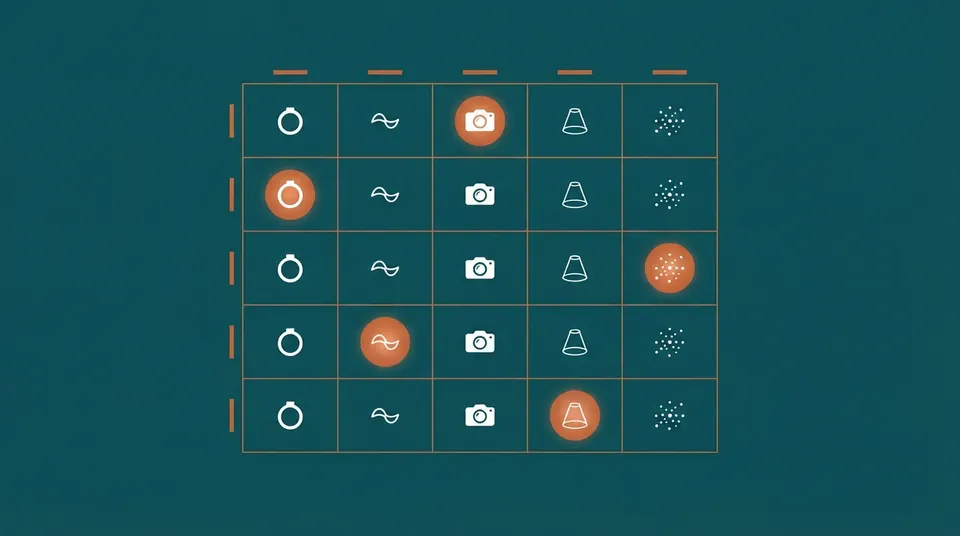
Comparison and selection: what to take for your task and what it will cost
The result of the series: a summary table of all tracking technologies, a selection tree, nine typical scenarios with recommended stacks, a cost of ownership structure (where cable is more expensive than equipment), a restriction bypass matrix, a pilot plan for 4-8 weeks, a checklist of technical specifications and a forecast for 2026-2028.

Without a camera and without a tag: radars, time-of-flight sensors, LiDAR and thermal matrices
You can't put a camera in the locker room, shower and steam room, but you need to know what's going on there — both for safety and for operations. We disassemble sensors that do not form an image: 60 GHz radars, flight time sensors, LiDAR and thermal matrices. What they can do, where they break down, and why the meter with 95% accuracy by the evening shows twenty-five non-existent people in the building.
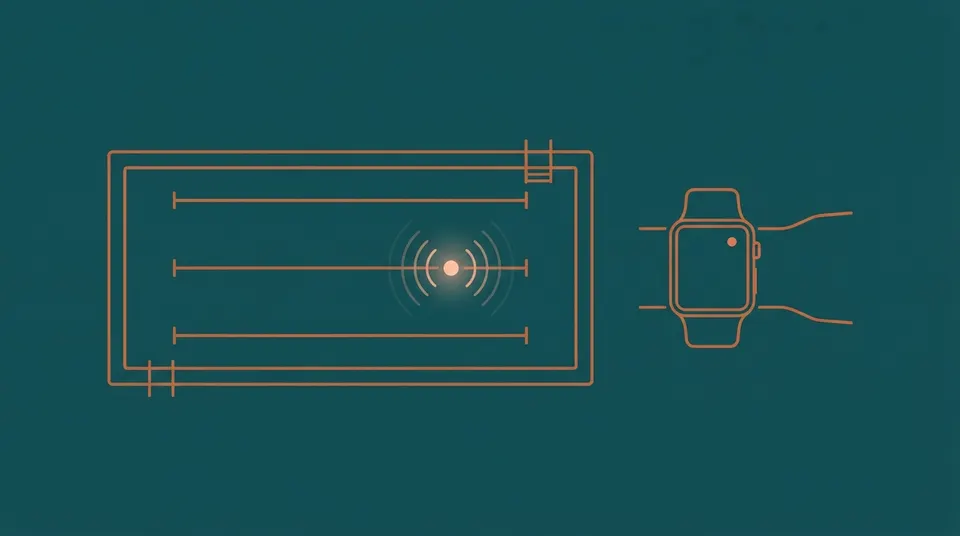
Critical events: drowning, falling, overheating, congestion
The only theme of the series where the price of a mistake is not an inaccurate report, but the life of a guest. We analyze why human vigilance objectively fails (in research, rescuers noticed a submerged mannequin in an average of 1 minute 14 seconds), what drowning detection systems can do, why false alarms kill such projects in a month, and how to close areas where cameras are prohibited.
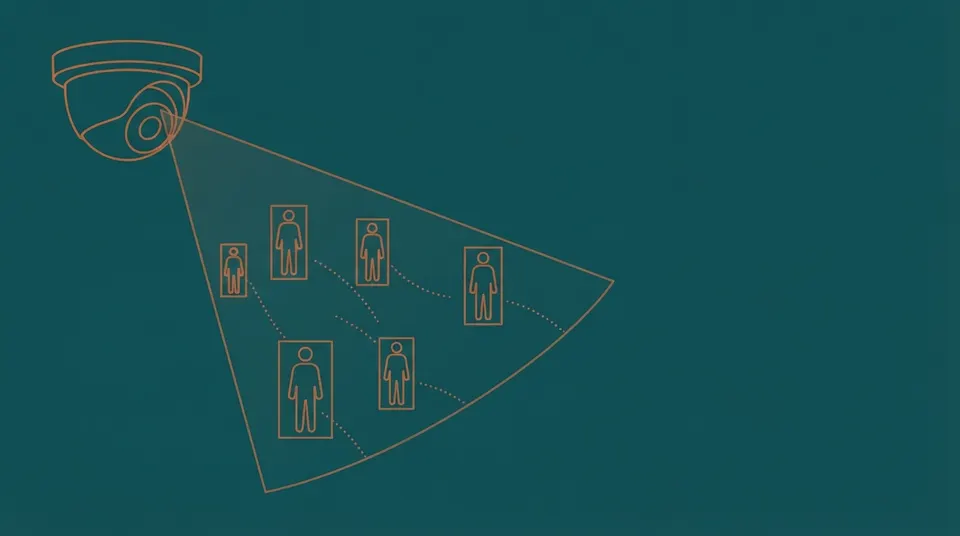
Cameras and AI: how people, zones and routes are actually considered
Which models really count people in 2026, what do the MOTA and IDF1 figures mean for the management report, why the guest's through route through forty cameras is the most expensive and fragile promise in video analytics, and why re—identification does not work in principle at the water park. Plus a separate warning about the "counting unique visitors" modules on face recognition.

Wi-Fi: What's left of tracking after MAC randomization
Passive collection of MAC addresses of smartphones was the cheapest flow analytics, and address randomization in iOS and Android broke it. We analyze what exactly has stopped working, why de-randomization is a bad idea both technically and legally, why in Russia "anonymous guest Wi—Fi analytics" is impossible by definition, and what really came to replace it: Wi-Fi RTT and sensing according to the 802.11bf standard.
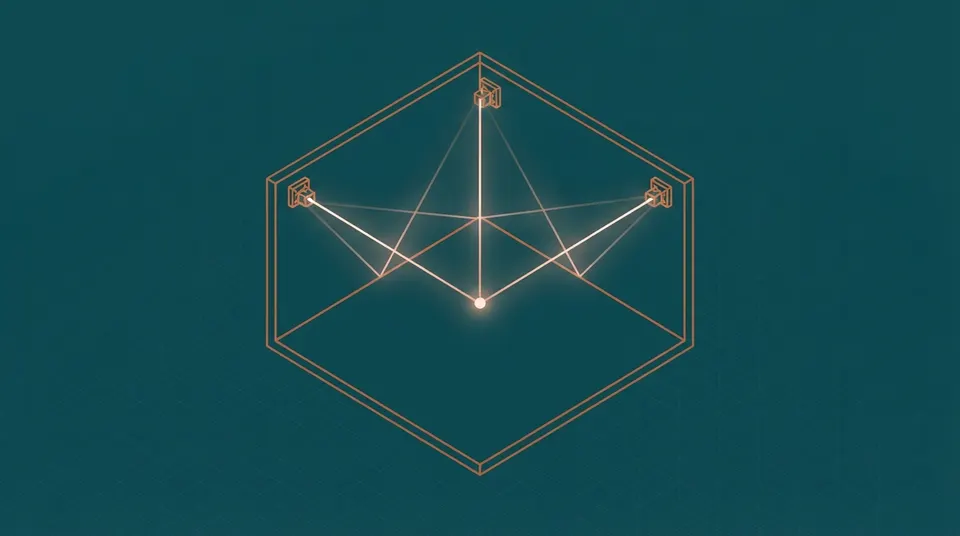
UWB: centimeters and the price of centimeters
UWB is the only radio technology that honestly gives tens of centimeters indoors. We analyze physics, measurement methods, chips and vendors, the new 802.15.4ab standard with a narrowband assistant, the real cost structure (where cable is more expensive than tags) and the legal regime of UWB devices in Russia. And we correct the main myth of the topic: in Puy du Fou, actors are tracked, not viewers.
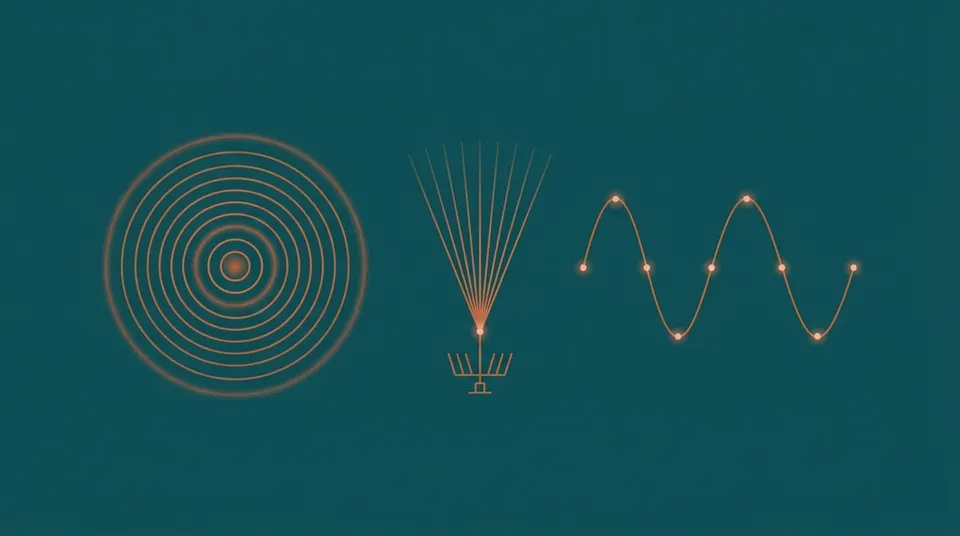
Bluetooth: from Beacons to Channel Sounding
The word "Bluetooth" in the sentences hides three different technologies with an exact difference of an order of magnitude: beacons by signal strength, angular detection with an antenna array, and phase distance measurement, which appeared in Bluetooth 6.0. Let's look at what works today, what a silicone bracelet with a tag can do, and why a wet guest hand is the worst mounting position for the radio tag.
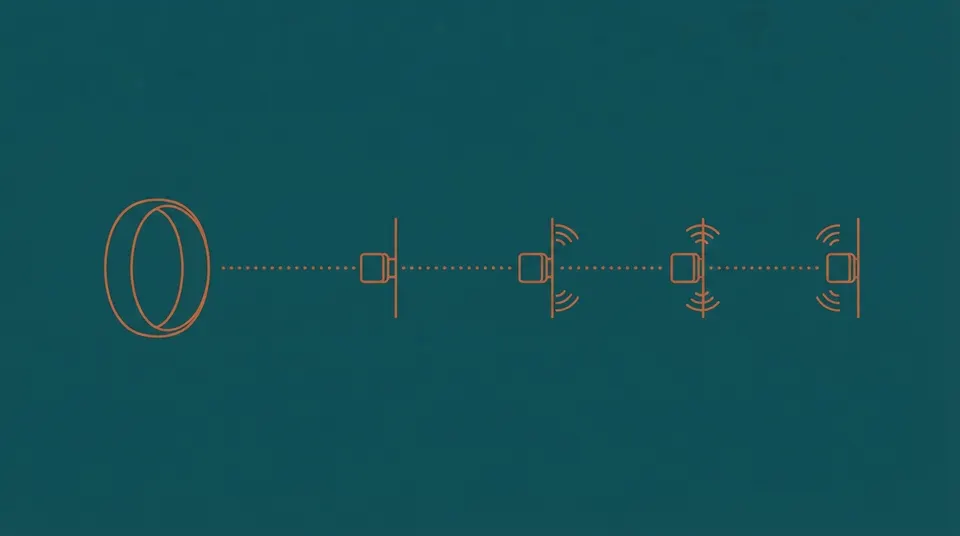
Bracelet as a key: RFID from locker to Flow analytics
The silicone bracelet of the thermal spa complex writes the events "entrance", "locker", "bar", "exit" every day — this is a ready-made visit funnel that almost no one reads. We analyze what RFID can and cannot do, how Classic differs from DESFire and why it is a matter of money, how to assemble a route from the marks on the reading points and where this route lies.
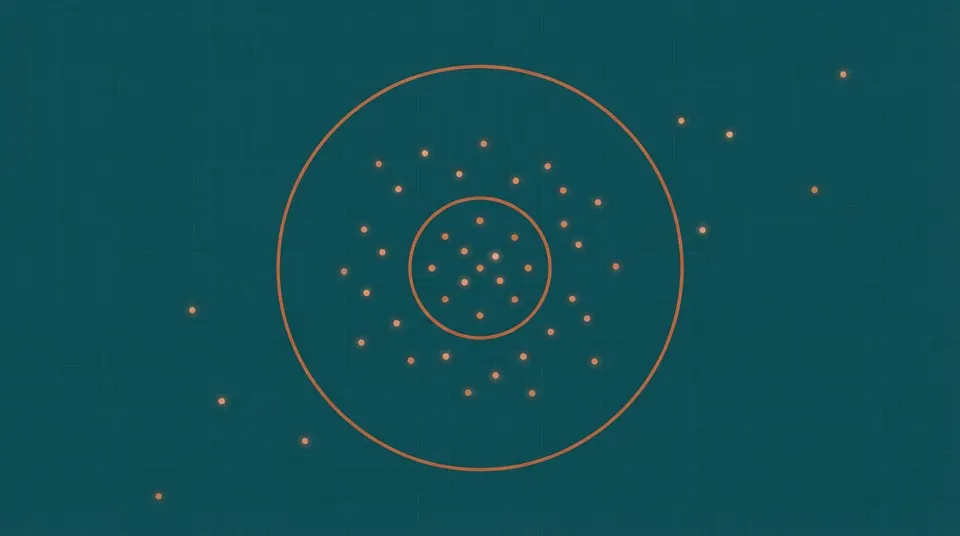
How to read the characteristics: accuracy, delay, identity, coverage
"Accuracy of 10 cm" is not a characteristic, but a fragment of a phrase. We analyze what is behind the numbers in the commercial offers: CEP50 and CEP95, line of sight, anchor geometry, delay vs. refresh rate, capacity during rush hour. And how to record the acceptance measurement in the contract so that later there would be something to refer to.
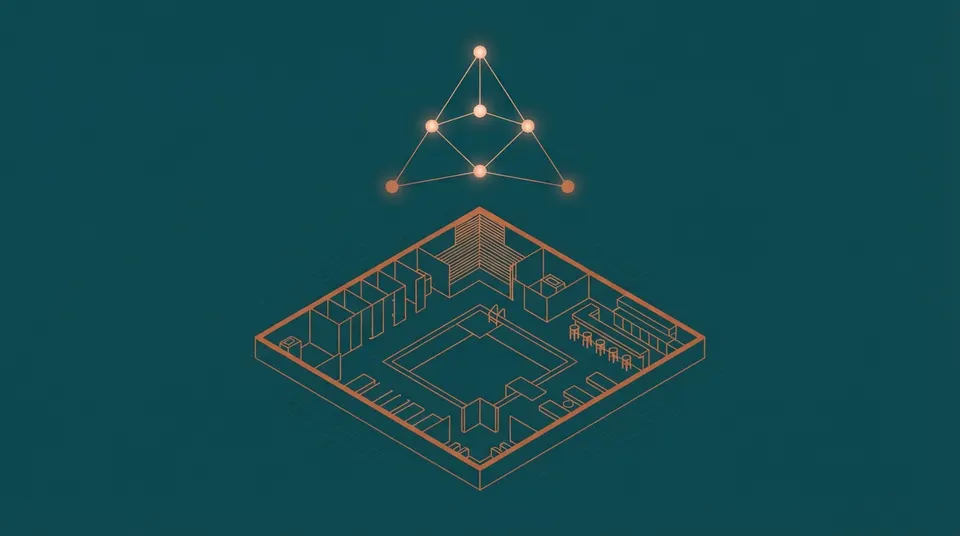
Where the guest goes and why to know it: a map of tasks and a map of solutions
Tracking the movements of visitors is not one technology, but five different systems with a price difference of two orders of magnitude. We analyze which tasks they close, what level of accuracy is needed for each, and why the choice of technology is the last solution, not the first.